Why Three Quarters of Businesses Are Transforming Their Workspaces
29 November 2024
The modern workplace is transforming as businesses adapt to new challenges and opportunities. Recent statistics show that three quarters of businesses are actively changing their workspace to better align with evolving needs, signalling a major shift in how we work and collaborate.
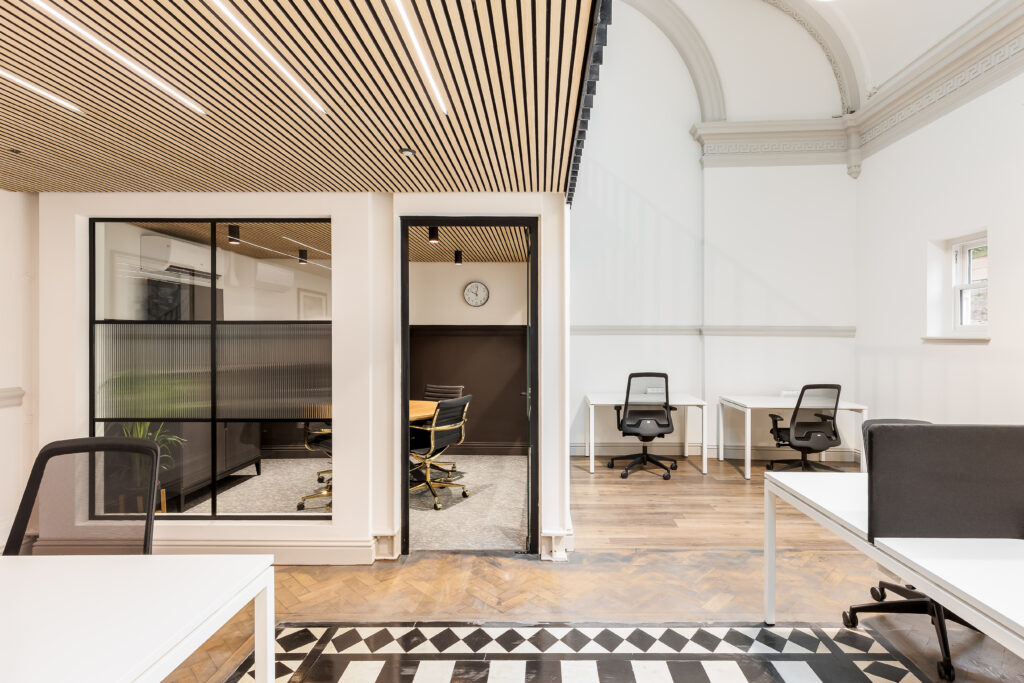
Key drivers of this change include the rise of hybrid work models, a greater focus on employee wellbeing, and the adoption of sustainable, tech-enabled solutions. Office spaces that embrace these trends are not just keeping up, they’re setting the stage for long-term success in a dynamic and competitive environment.
The Drivers of Change in the Workplace
As businesses navigate evolving expectations, their workspaces must reflect these changes. Offices are no longer just places to work—they’re hubs for collaboration, innovation, and employee wellbeing. This shift has led to a reimagining of traditional setups, driven by the need for flexibility, sustainability, and a focus on the human experience.
Hybrid Work Models
Remote work has become a permanent fixture for many industries, and this shift has fundamentally altered how businesses think about their office spaces. The traditional office setup, with its assigned desks and rigid layouts, no longer meets the needs of hybrid teams who alternate between working from home and in-office collaboration. To accommodate this new reality, busineses are prioritising flexible layouts that can be easily adjusted to suit different team sizes and purposes.
Features like hot-desking solutions, which allow employees to reserve desks on demand, are becoming commonplace. Similarly, collaborative spaces that foster teamwork and creativity are being designed with hybrid teams in mind, ensuring they have areas to meet, brainstorm, and connect in person. By creating adaptable and inclusive environments, companies can seamlessly support the flexibility that modern employees expect.
Employee Wellbeing
The wellbeing of employees has taken centre stage as organisations recognise the link between satisfaction and productivity. A great workplace is no longer defined by functionality alone but by its ability to reduce stress, boost morale, and inspire creativity.
Designing workspaces with natural light, greenery, and calming aesthetics can significantly improve mental health and focus. Additionally, ergonomic furniture and adjustable workstations are becoming essential, ensuring physical comfort during long work hours. Some companies are even incorporating dedicated wellness zones for relaxation, meditation, or light physical activity, showing a commitment to the holistic health of their teams. These thoughtful touches not only attract talent but also create an environment where employees can thrive.
Sustainability and Technology
Sustainability is no longer optional; it’s a priority for businesses that want to stay relevant in a conscientious market. Modern office spaces are incorporating eco-friendly materials, energy-efficient systems, and waste reduction strategies to align with environmental goals. Initiatives such as using recycled furniture, implementing solar power, and offering bike storage and EV charging stations are becoming the standard in sustainable workspaces.
Technology is also playing a critical role in shaping efficient and futuristic offices. From smart lighting and climate control systems to collaborative digital tools, businesses are leveraging tech to create spaces that are not only environmentally responsible but also highly functional. These innovations appeal to both employees, who value convenience and comfort, and clients, who respect forward-thinking and responsible business practices. By integrating sustainability and technology, businesses can build workspaces that are prepared for the future.
What Modern Businesses Are Seeking
To stay competitive, businesses are prioritising workspaces that align with their strategic goals and adapt to their evolving needs. Modern offices are no longer one-size-fits-all; they are dynamic environments tailored to foster productivity, collaboration, and innovation.
Agility
Companies need workspaces that can evolve with them. Agile offices equipped with modular furniture, adaptable layouts, and multi-use areas provide the flexibility needed to accommodate changing team sizes and priorities. Scalable serviced office solutions also allow businesses to grow without the constraints of long-term leases or rigid floorplans, ensuring they can adapt to new opportunities with ease.
Community and Collaboration
The era of isolating cubicles is over. Modern workspaces are designed to foster connection and teamwork. They include open areas and community hubs where employees can brainstorm, network, and innovate. These collaborative environments not only boost creativity but also strengthen workplace culture. They create spaces where teams feel inspired to work together toward shared goals.
Cost Efficient Offices
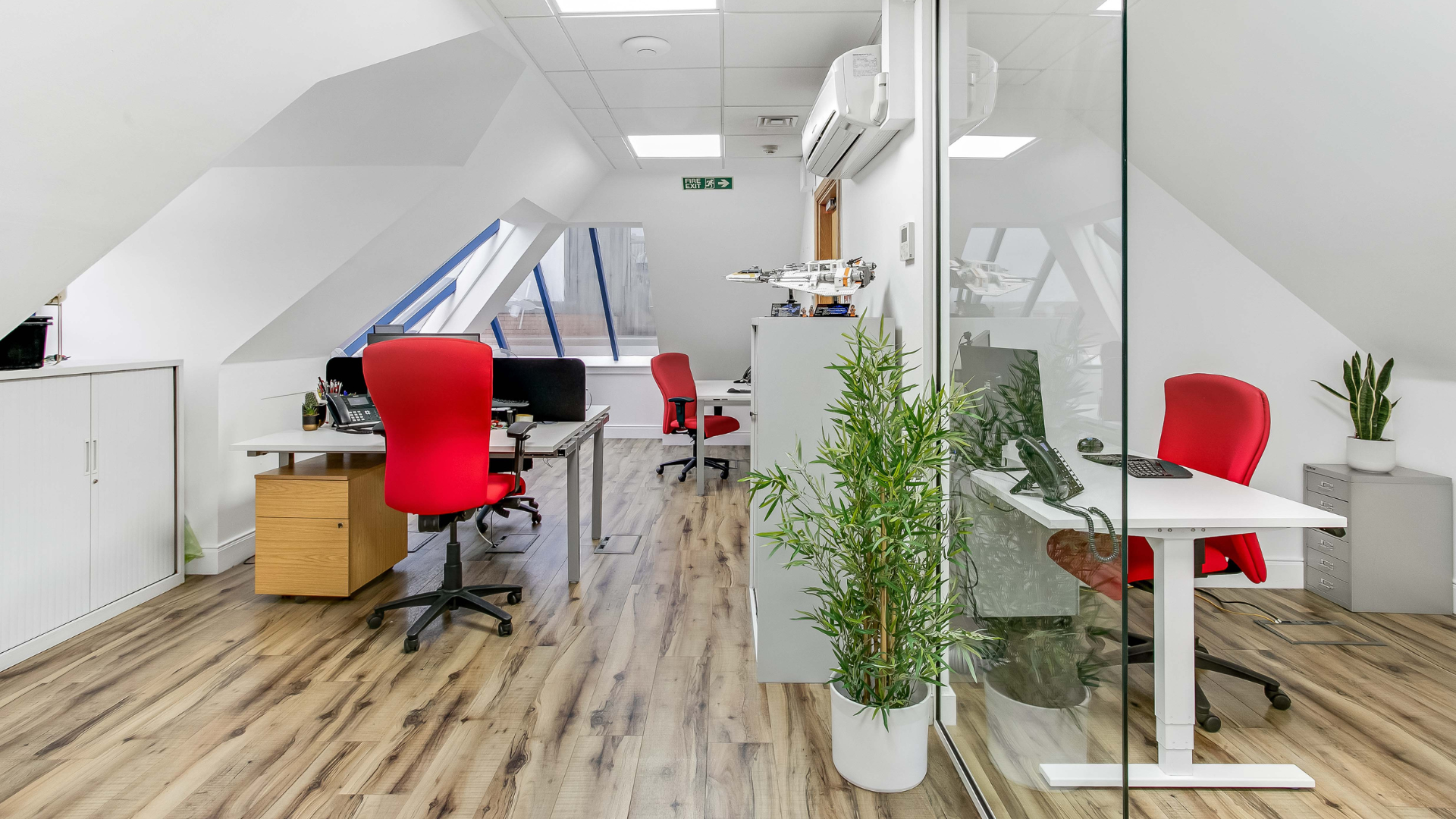
For many businesses, reducing overhead costs is a top priority. Moving to a serviced office space offers an affordable solution, providing access to premium facilities such as high-speed internet, meeting rooms, and fully equipped kitchens without the expense of owning or maintaining them. This approach ensures businesses can focus their resources on growth while enjoying a professional and productive environment.
Conclusion
Change isn’t just a buzzword—it’s a necessity. Businesses that adapt their workspaces to fit the needs of their teams, their clients, and the planet will thrive in this new era of work.
If you’re interested in how Venaspace Offices can support your business, contact us to learn more about our serviced office model in Bournemouth, Exeter, and Plymouth.
Lauren Lyons (Plymouth)
📧 lauren@venaspace.com
📱07951 580511
Laura Hasrun (Exeter)
📧 laura@venaspace.com
📱07957 629631
Laura Massias (Bournemouth)
📧 laura.m@venaspace.com
📱07507 125442