Sustainability in the Workplace: The Green Benefits of Serviced Offices
20 February 2025
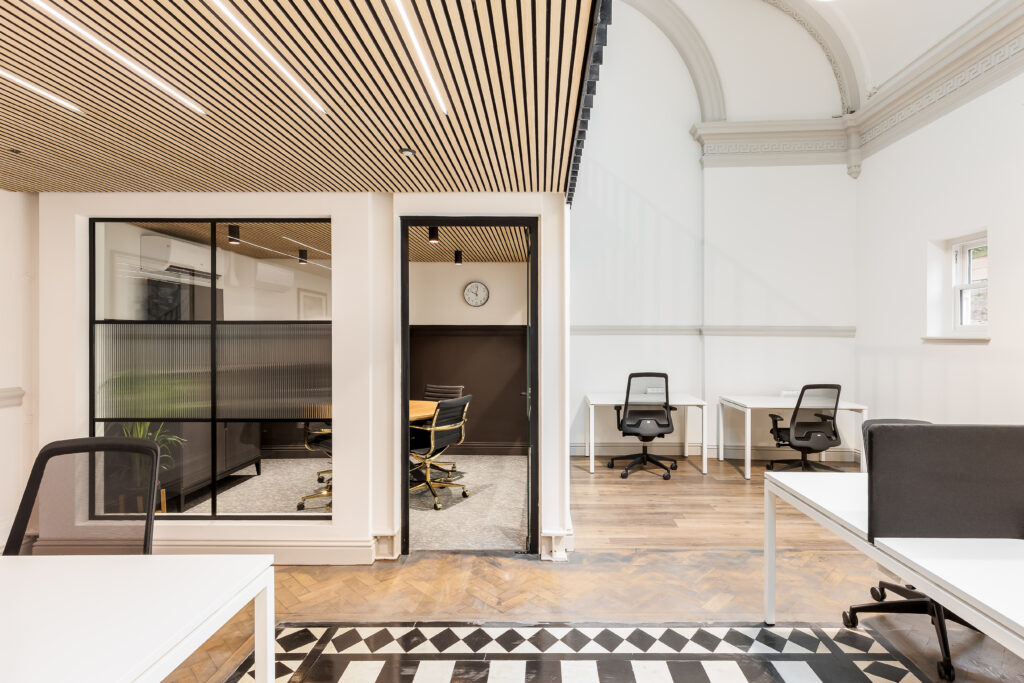
Our work habits have a significant impact on the environment, and with sustainability now a global imperative, even where and how we work matters. Traditional office structures often contribute to increased energy consumption, long commutes, and excessive resource usage. But a shift is happening. Serviced offices offer a surprisingly effective way to minimise our environmental footprint. By reimagining the traditional office model, these spaces offer a range of eco-friendly benefits, from reduced commuting and shared resources to energy-efficient designs and optimized space utilisation. This isn’t just a trend; it’s a fundamental change in how we approach work, and it’s one that can make a real difference.
This blog will delve into the specific ways flexible workspaces contribute to a greener future. We’ll explore the tangible benefits, from lower carbon emissions and reduced waste. Venaspace is committed to incorporating sustainable practices into our own flexible work model because a productive and sustainable future of work is possible, and we’re proud to be a part of it.
The Environmental Impact of Traditional Offices
Traditional office structures, while serving their purpose, can inadvertently contribute to environmental strain. Large commercial buildings often require significant energy to maintain comfortable temperatures and lighting, sometimes even when spaces are unoccupied. The daily commute, a common experience for office workers, also has an environmental footprint, with numerous vehicles on the road contributing to traffic and greenhouse gas emissions. Additionally, the way traditional offices manage resources can sometimes lead to inefficiencies. Individual companies maintaining their own equipment and supplies can result in duplication and increased waste compared to shared resource models. Overall, the traditional approach to office space presents some environmental challenges that serviced offices are uniquely positioned to address.
How Serviced Offices Pave the Way for a Greener Future
Flexible workspaces offer a compelling alternative, paving the way for a more sustainable approach to work. One key benefit is the potential for reduced commuting. With flexible locations and the option to work closer to home, or even in a hybrid work model, individuals can significantly shorten their commutes. This translates to lower carbon emissions and reduced traffic congestion.
Shared resources are another advantage. In a flexible workspace, resources like meeting rooms, breakout spaces, and kitchen facilities are shared among multiple users, minimising waste and energy consumption compared to the traditional model where each company or department has its own set of equipment. Shared spaces also promote optimised space utilisation. By allowing for more efficient use of office space, they reduce the need for large, underutilised traditional offices, which in turn reduces energy consumption and resource waste.
Venaspace: Leading the Charge in Sustainable Workspaces
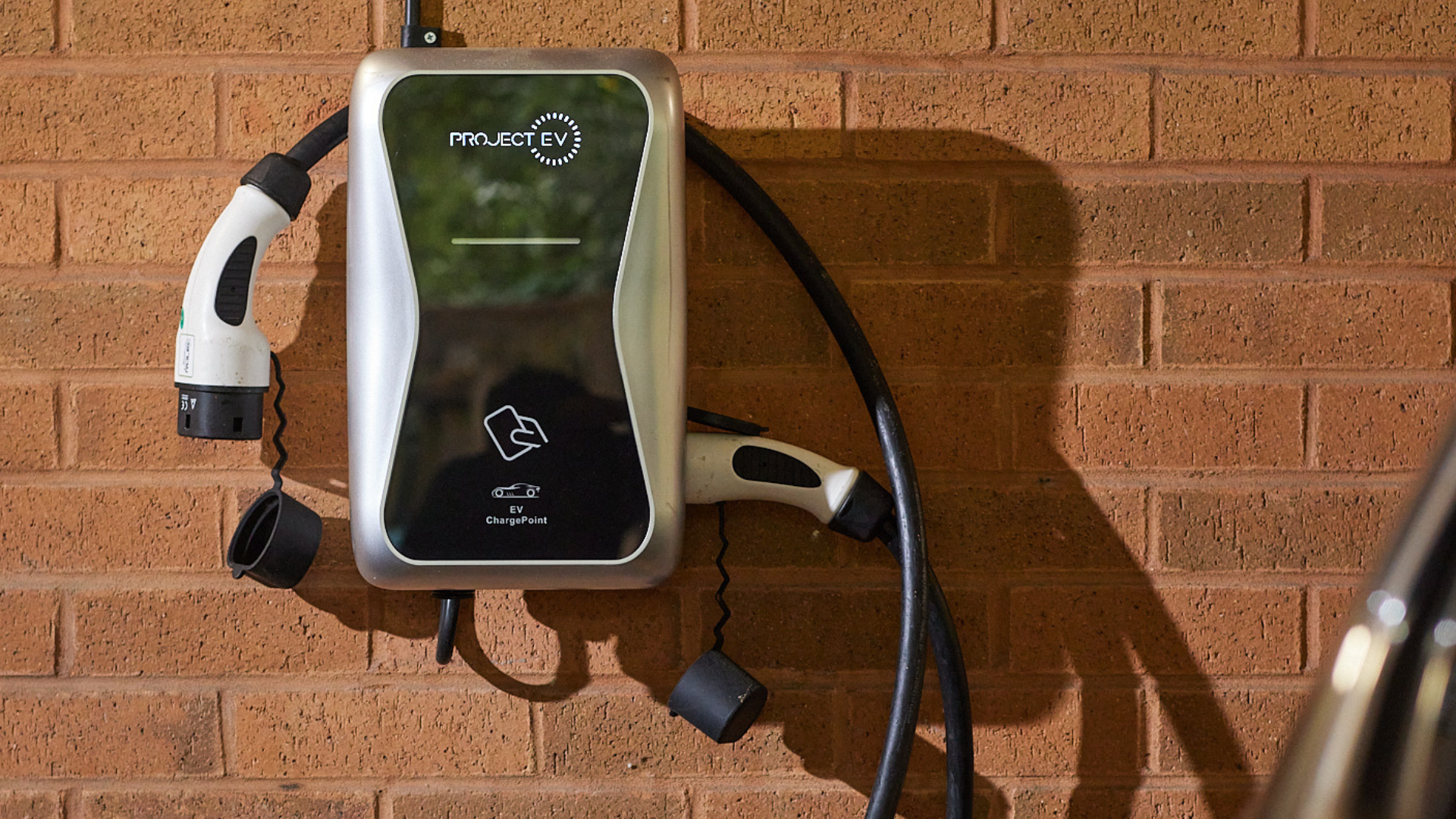
At Venaspace, we believe that a productive work environment and environmental responsibility go hand in hand. We’re committed to leading the charge in creating sustainable workspaces and have implemented a range of initiatives to minimise our environmental footprint. Harnessing the power of the sun, we utilise solar energy to help power our workspaces, significantly reducing our reliance on fossil fuels. We also operate comprehensive recycling programs to ensure that waste is minimised and resources are conserved. Recognising the importance of sustainable transportation, we encourage eco-friendly commutes by providing secure bike storage and convenient EV charging stations for our members.
Inside our workspaces, we prioritise energy efficiency through the use of natural light and motion-sensored lighting, minimising energy waste. These are just some of the ways Venaspace is striving to create a more sustainable future of work. We are constantly looking for new and innovative ways to reduce our environmental impact and are proud to be part of the movement towards a greener future.
Conclusion
The shift towards flexible workspaces, and serviced offices in particular, represents more than just a change in how we work; it’s a crucial step towards a more sustainable future. As we’ve explored, the traditional office model presents significant environmental challenges, from excessive energy consumption and lengthy commutes to inefficient resource management. Serviced offices offer a powerful antidote to these issues, fostering reduced commuting, shared resources, optimised space utilisation, and a greater emphasis on energy efficiency.
At Venaspace, we’re not just embracing this change; we’re actively leading it. Through initiatives like solar energy generation, comprehensive recycling programs, support for sustainable transportation, and energy-conscious design, we’re demonstrating that productivity and environmental responsibility can coexist. We believe that the future of work must be a sustainable one, and we’re committed to playing our part in building that future, one flexible workspace at a time.
Ready to transform the way you do business? Contact us today to discover how Venaspace’s flexible office solutions can empower your success.
Lauren Lyons (Plymouth)
📧 lauren@venaspace.com
📲 07951 580511
Matty Ash (Exeter)
📧 matty@venaspace.com
📲 07957 629631
Laura Massias (Bournemouth)
📧 laura.m@venaspace.com
📲 07507 125442