Debunking the Myths: Why Flexible Workspaces Are the Future of Work
01 May 2025
Flexible workspaces are gaining serious traction, fueled by everything from groundbreaking tech to a fundamental shift in what employees expect from their careers and their lives. Yet, despite this momentum, many businesses remain hesitant, held back by long-standing beliefs that simply don’t hold up anymore.
Let’s set the record straight and debunk three of the most common myths holding businesses back from embracing this modern model of work.
Myth 1: Flexible Work Means Less Productivity
One of the most persistent myths about flexible work is that employees are less productive when they’re not in a traditional office setting. Some leaders worry that without direct supervision, team members will be distracted or disengaged.
But research tells a very different story. For example, one study from Stanford University shows that flexible work arrangements often boost productivity because flexibility allows employees to work when and where they’re most focused and energized. Instead of being confined to a rigid 9-to-5 schedule or spending hours commuting, workers can use that time to produce better work, faster.
Flexibility also contributes to higher job satisfaction, which leads to more engagement and less burnout. When employees have the autonomy to balance their professional and personal responsibilities, they’re less stressed — and less stress means better concentration and improved performance.
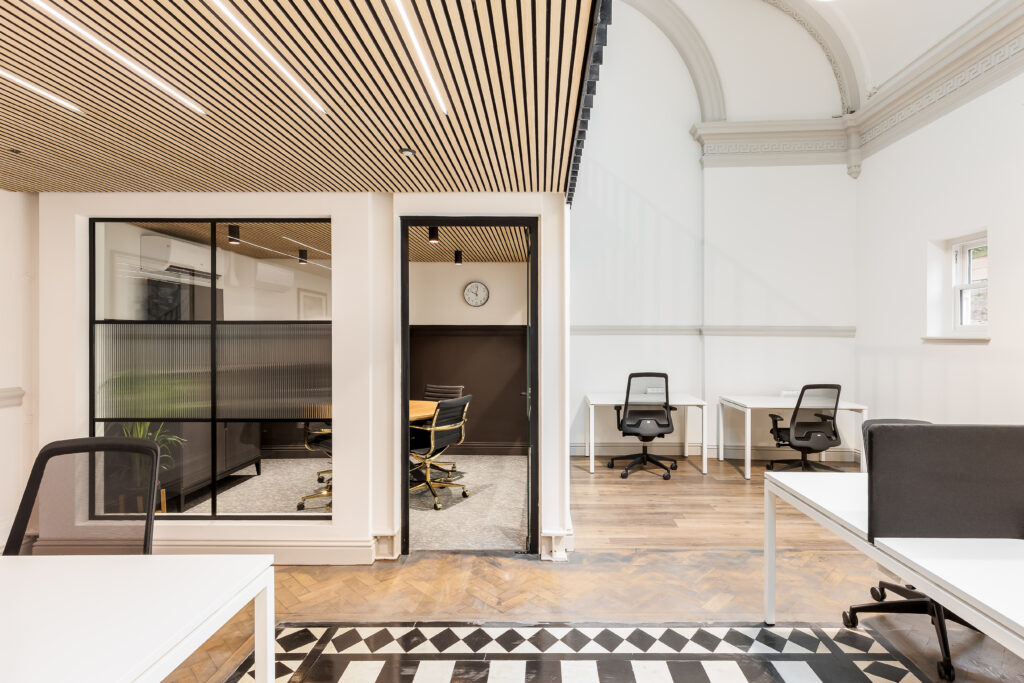
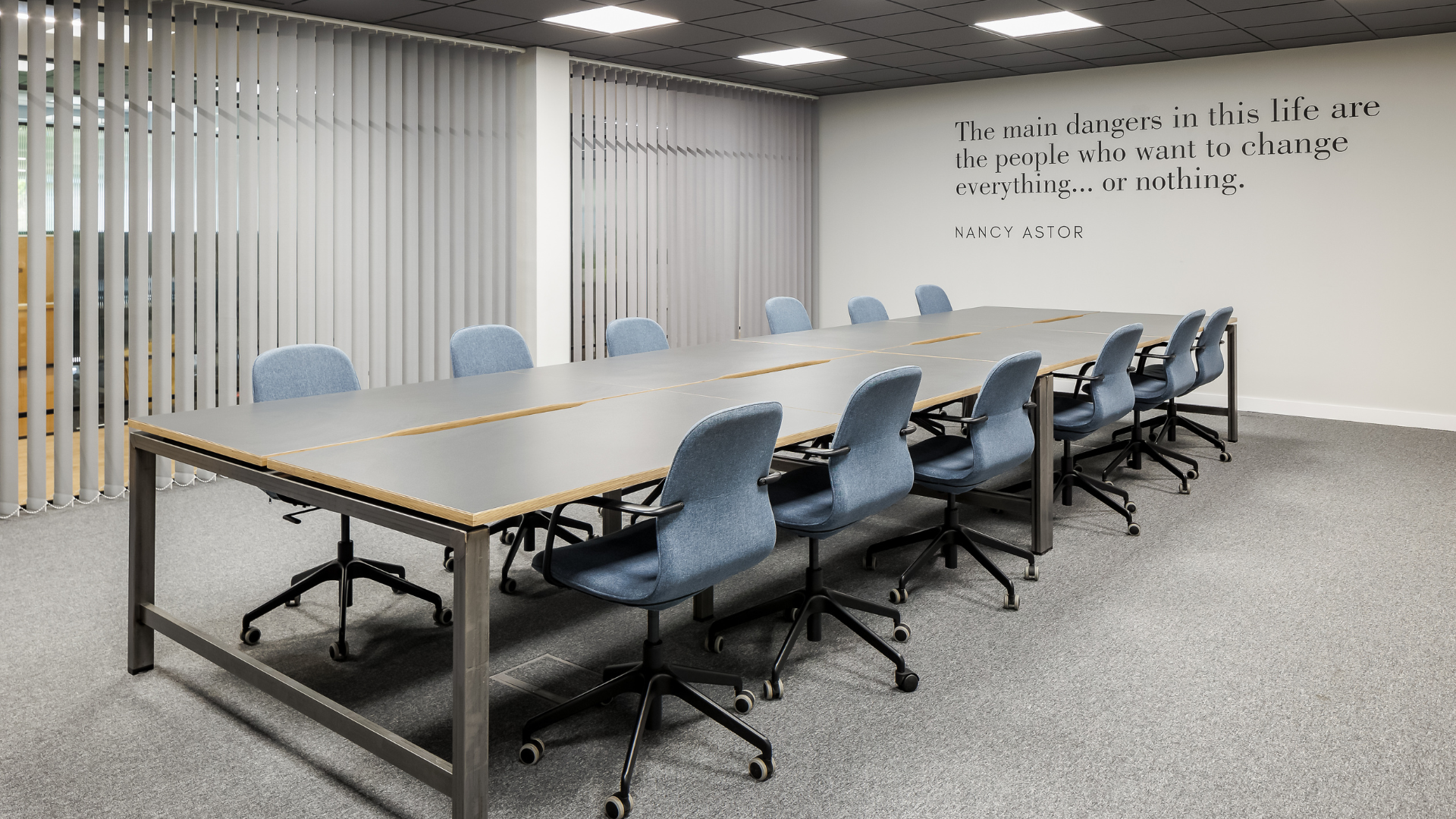
Bottom line is productivity isn’t about where you work, it’s about how well your work environment supports your focus, energy, and motivation. Today’s flexible offices are purpose-built to support a wide range of working styles and team needs. Whether you need quiet space for deep work, collaboration areas for brainstorming, or professional meeting rooms to host clients, these spaces are designed to adapt. They’re not just for solo workers, they’re fully equipped to house large teams, entire departments, or even hybrid workforces that rotate in and out
Myth 2: Flexible Offices Are Only for Freelancers and Startups
This is false and stems from the misconception between flexible offices and coworking spaces. While coworking spaces first gained popularity among freelancers, solopreneurs, and early-stage startups, today’s flexible office landscape has evolved far beyond the coffee-shop-vibe workstations of the past.
Flexible offices are professional-grade work environments designed to accommodate teams of all sizes — from growing startups to large enterprise departments. Unlike traditional coworking spaces that emphasize open seating and casual drop-ins, flexible offices offer scalable, private solutions tailored to business needs. Think fully equipped private offices, dedicated meeting rooms, enterprise-grade internet, and onsite community manager support — all without the burden of long-term leases or costly overhead.
More and more established companies are adopting flexible workspaces because of the agility they provide. For example, if you need to expand your team quickly, you can add more space within days, not months or if you are testing a new market in a different city, you can set up a satellite office without committing to a 5-year lease. The ability to adapt workspace needs in real time makes flexible offices a smart, cost-effective solution in today’s fast-paced business environment.
Myth 3: Flexible Workspaces Lack Professionalism
There’s a lingering perception that flexible offices are loud, chaotic, or too casual for serious work. Think beanbags, noisy phone booths, and people brainstorming over coffee like it’s a college group project.
In reality, modern flexible workspaces are built to support professionalism and productivity. Many offer private offices, quiet zones, bookable onsite meeting rooms, and high-end business amenities. These environments are curated to facilitate deep focus, host client meetings, conduct video calls, and collaborate effectively — all while maintaining a polished, professional atmosphere.
So whether you’re presenting to a client, interviewing a candidate, or needing quiet time to finish a major report, a well-designed flexible workspace can meet your needs.
Conclusion
The world has changed and so has the workplace. The idea that productive work only happens in a fixed location, under constant supervision, is a relic of the past. Flexible work is about giving people the tools, autonomy, and environments they need to thrive. And it’s not just good for employees — it’s good for business. Companies that embrace flexibility are better positioned to attract top talent, adapt to changing market conditions, and reduce operational overhead.
It’s time to ditch the myths, challenge the assumptions, and embrace a smarter, more adaptable way to work. If you are ready to transform the way you do business, contact us today to discover how Venaspace’s flexible office solutions can empower your success.
Lauren Lyons (Plymouth)
📧 lauren@venaspace.com
📲 07951 580511
Matty Ash (Exeter)
📧 matty@venaspace.com
📲 07957 629631
Laura Massias (Bournemouth)
📧 laura.m@venaspace.com
📲 07507 125442