4 Trends in Flexible Workspace Solutions
09 May 2024
The flexible workspace industry adapts to the societal, technological, and economic forces that reshape how we work. For businesses to adjust to the evolving needs and preferences of their clients and workforce, a host of trends are emerging, revolutionising the traditional office paradigm. These trends are paving the way for a more agile, dynamic, and inclusive workplace environment.
These trends include rise of hybrid work models, the integration of new technologies, and a focus on wellbeing and sustainability. These paradigm shifts underscore the industry’s commitment to innovation, flexibility, and a human-centric design. This article will explore changes in the serviced office industry that are improving how we work, collaborate, and innovate.
Hybrid work models emphasises the need for flexibility
Hybrid work models has prompted businesses to pivot from the traditional office concept towards more versatile workspace solutions. The flexible working model offers customizable arrangements that align seamlessly with the demands of hybrid work arrangements, providing flexibility to scale up or down depending on the demands of the business, meeting rooms for larger in-person collaboration, community hubs for networking and hot desking, and virtual offices for entirely remote teams.
The agility of flexible workspaces, coupled with the cost-effective one-price for all members, allows business owners to offer their employees the choice to divide their time between remote work and office-based collaboration. Ultimately, these models adapt traditional paradigms and empower individuals to achieve a better work-life balance, leading to heightened productivity, creativity, and work satisfaction.
Integration of Technology Empowers Collaboration and Connectivity
Among the recent trends, technology integration lies at the heart of flexible workspaces. From virtual collaboration tools to cloud-based platforms, advancements in technology are facilitating seamless communication, coordination, and productivity across geographically dispersed teams. As organisations embrace digital transformation, the integration of innovative technologies will further enhance the efficiency and effectiveness of flexible work environments, enabling teams to collaborate effortlessly and achieve their goals with precision.
Gone are the days of rigid, isolated workspaces; instead, flexible offices now boast cutting-edge digital infrastructure equipped with high-speed internet, video conferencing facilities, and collaborative software platforms. These technological advancements facilitate seamless communication and interaction among remote and in-office workers, as well as clients around the world.
Customisation Tailors Spaces to Individual Business Needs
One size does not fit all when it comes to business. Recognizing the unique preferences and requirements of employees and organisations means increasingly focusing on customisation. This personalisation creates working environments that foster creativity, collaboration, and above all, comfort. From configurable furniture arrangements to personalised lighting and temperature A/C controls, the emphasis is empowering individuals to curate their workspace according to their specific needs and preferences. By providing a conducive environment that aligns with diverse workstyles, organisations can nurture a culture of inclusivity, engagement, and innovation.
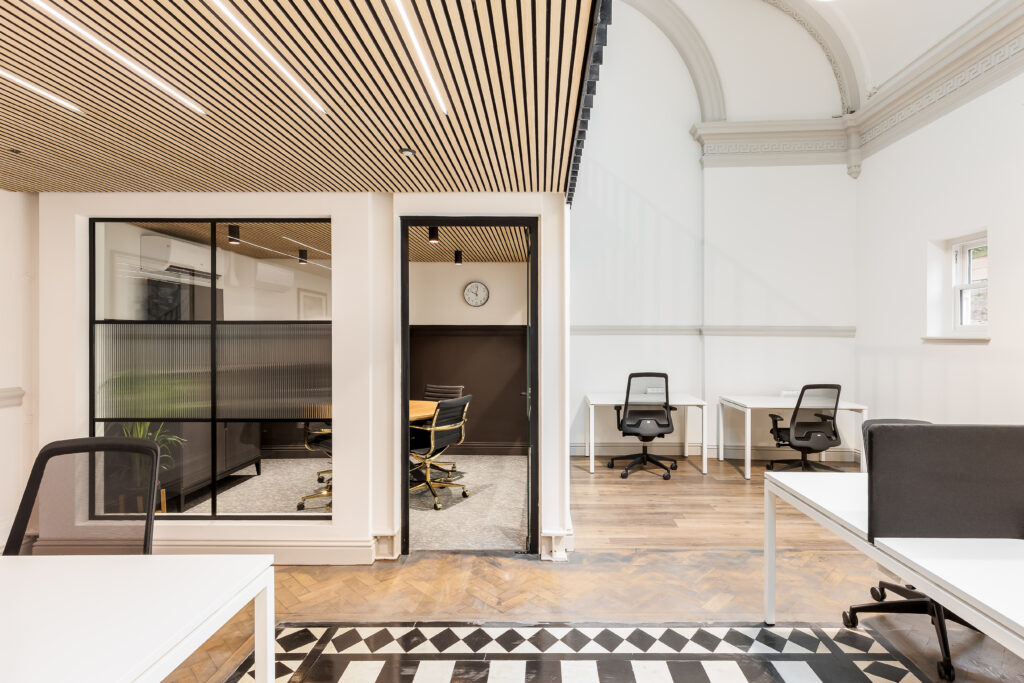
Flexible workspaces recognise the importance of catering to different workstyles and preferences, offering a variety of spaces ranging from open collaborative areas to quiet zones and relaxation corners. By providing a customisable environment, flexible workspaces boost employee satisfaction and engagement and foster a culture of inclusivity. As the demand for personalised workspaces grow, flexible workspaces will redefine the future of work for both small and large businesses.
Sustainable Initiatives Help Build a Greener Future
Sustainability is of paramount concern for businesses in today’s ecological landscape. And, the flexible office industry actively addresses this imperative by investing in sustainable initiatives. From energy-efficient buildings to renewable energy sources like solar panels, serviced offices are adopting green practices to minimise their environmental impact and operate responsibly. Additionally, waste reduction strategies and recycling programs are being implemented to mitigate waste generation and promote resource conservation.
By prioritising sustainability, flexible workspaces contribute to a healthier planet and enhance brand reputation. Some benefits include attracting eco-conscious tenants and driving cost savings through efficient resource utilisation. This commitment to sustainability underscores the industry’s role as a leader in responsible business practices and sets a precedent for fostering environmental initiatives in the workplace.
Conclusion

The rise of hybrid work models has transformed the serviced office industry, driving businesses to seek more flexible workspace solutions. Flexible workspaces emphasise customisation, cost-effectiveness, collaboration, and sustainability to meet the evolving needs of modern businesses. As the business landscape evolves, flexible offices stand out as the best choice for those seeking dynamic workspace solutions.
Contact one of our community managers to learn more about our flexible model at Venaspace Offices.
Katrin Dakeva (Bournemouth)
📧 katrin@venaspace.com
📱07507 125442
Kerry Dunn (Plymouth)
📧 kerry@venaspace.com
📱07951 580511
Laura Hasrun (Exeter)
📧 laura@venaspace.com
📱07957 629631